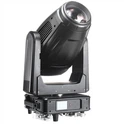
Hey there, art lovers and gallery owners! I'm a supplier of Moving Head Lights, and today I want to dig into the question: Are moving head lights suitable for art galleries?
Let's start by getting a clear idea of what moving head lights are. Moving head lights are high - tech lighting fixtures that can move in multiple directions, change colors, and adjust beam angles. They're commonly used in concerts, stage shows, and nightclubs to create dynamic and eye - catching lighting effects. But can they work their magic in the more refined setting of an art gallery?
The Advantages of Moving Head Lights in Art Galleries
1. Creating Dynamic Displays
One of the biggest perks of using moving head lights in art galleries is the ability to create dynamic displays. Traditional static lighting can sometimes make an exhibition feel a bit flat. With moving head lights, you can direct the spotlight on different art pieces at different times. For example, you can highlight a particular sculpture for a few minutes, then smoothly transition the light to a nearby painting. This not only draws the visitors' attention but also adds an element of surprise and engagement.
Imagine an installation art piece that changes its appearance based on the angle of light. Moving head lights can be programmed to follow a specific pattern, gradually revealing different aspects of the artwork over time. It's like giving the art a life of its own, and it can really make the gallery experience more memorable for the visitors.
2. Enhancing Mood and Atmosphere
Lighting plays a huge role in setting the mood. Moving head lights offer a wide range of color options and intensity controls. You can use warm, soft colors to create a cozy and inviting atmosphere for a collection of impressionist paintings. On the other hand, for a modern and edgy art exhibition, you can use bright, bold colors and rapid - moving lights to add a sense of energy and excitement.
For instance, if you're showcasing a series of abstract artworks, you could use a combination of blue and purple moving lights to create a dreamy and otherworldly atmosphere. This kind of mood - setting can help the visitors better connect with the art on an emotional level.
3. Highlighting Details
Art pieces often have intricate details that can be easily missed under normal lighting. Moving head lights can be precisely focused to highlight these details. You can use a narrow beam of light to spotlight the fine brushstrokes in a painting or the delicate carvings on a wooden sculpture. This not only allows the visitors to appreciate the artist's craftsmanship but also adds a layer of depth to the viewing experience.
The Challenges of Using Moving Head Lights in Art Galleries
1. Potential Distraction
One of the main concerns with moving head lights in art galleries is the potential to be a distraction. In a gallery, the focus should be on the art. If the lights are moving too erratically or the colors are too bright and flashy, they can draw the visitors' attention away from the art pieces. For example, a constantly flickering light can be quite annoying and make it difficult for the visitors to concentrate on the art.
To overcome this, it's important to carefully program the movement and color changes of the moving head lights. They should enhance the art, not overshadow it. A slow and smooth movement of the lights, along with subtle color transitions, can usually strike the right balance.
2. Heat and UV Emission
Some moving head lights can emit a significant amount of heat and ultraviolet (UV) radiation. Heat can damage sensitive art materials such as paintings, paper, and textiles. UV radiation can cause fading and discoloration over time. This is a major concern when it comes to preserving valuable art pieces.


However, modern moving head lights, like our 1000W Led Profile Moving Head Light 2024, are designed to minimize heat and UV emission. LED technology is much more energy - efficient and produces less heat compared to traditional lighting sources. And with proper filtering, the UV radiation can be reduced to a safe level for art display.
3. Cost and Complexity
Installing and operating moving head lights can be more expensive and complex compared to traditional lighting systems. You need to invest in high - quality fixtures, a reliable control system, and trained personnel to program and maintain the lights. Additionally, there may be higher energy costs associated with running these lights, especially if they are used for long periods.
But when you consider the long - term benefits in terms of enhancing the gallery experience and attracting more visitors, the investment can be well worth it. And as a supplier, we offer comprehensive support and training to help you get the most out of your moving head light system.
Case Studies
Let's take a look at some real - world examples of art galleries that have successfully used moving head lights.
The XYZ Gallery recently held an exhibition of contemporary art. They used moving head lights to create a dynamic and immersive experience for the visitors. The lights were programmed to follow a narrative, highlighting different themes and emotions in the art. For example, when visitors entered the section of the gallery with abstract paintings, the lights would start with a soft, white glow and gradually transition to bold, colorful patterns as they explored deeper into the collection. The exhibition received rave reviews, and the use of moving head lights was credited as one of the key factors in its success.
Another gallery, the ABC Museum, used moving head lights to showcase a collection of ancient artifacts. They used a combination of warm, yellow lights to highlight the historical significance of the pieces and a slow, circular movement of the lights to give the impression of time passing. This unique lighting approach not only made the artifacts more engaging but also helped the visitors better understand the context and story behind each piece.
Tips for Using Moving Head Lights in Art Galleries
1. Plan Ahead
Before installing moving head lights, it's important to have a clear plan. Consider the layout of the gallery, the type of art being displayed, and the overall theme of the exhibition. Work with a lighting designer or an expert to create a lighting scheme that complements the art and enhances the visitor experience.
2. Test the Lights
Don't just install the lights and hope for the best. Test them thoroughly before the exhibition opens. Check the movement, color, and intensity of the lights to make sure they are working as intended. You can also get feedback from a small group of people to see how the lighting affects their perception of the art.
3. Maintain the Lights
Regular maintenance is crucial to ensure the long - term performance of the moving head lights. Clean the lenses, check the bulbs (or LEDs), and make sure the control system is functioning properly. This will not only extend the lifespan of the lights but also prevent any unexpected issues during the exhibition.
Conclusion
So, are moving head lights suitable for art galleries? The answer is a resounding yes, but with some careful considerations. When used correctly, moving head lights can transform an art gallery into a dynamic and engaging space. They offer unique opportunities to enhance the display of art, create a memorable atmosphere, and highlight the details that make each piece special.
Of course, there are challenges to overcome, such as potential distraction, heat and UV emission, and cost. But with the right technology, like our 1000W Led Profile Moving Head Light 2024, and proper planning, these challenges can be managed effectively.
If you're a gallery owner or curator looking to take your art exhibitions to the next level, I encourage you to consider using moving head lights. We're here to help you every step of the way, from choosing the right fixtures to programming and maintenance. Get in touch with us to discuss your lighting needs and start creating a truly unforgettable art experience.
References
- Lighting Design for Art Galleries: Best Practices, Lighting Journal, 2023
- The Impact of Dynamic Lighting on Visitor Experience in Art Spaces, Museum Studies Quarterly, 2022
- LED Lighting Technology for Art Preservation, Art Conservation Magazine, 2021