In the dynamic world of stage lighting, moving head lights have emerged as a cornerstone technology, revolutionizing the way we experience live events, concerts, theaters, and even architectural lighting displays. As a leading supplier of moving head lights, I've witnessed firsthand the rapid evolution of this technology, with wireless control emerging as a game - changing feature. In this blog, we'll explore whether moving head lights support wireless control, the benefits it brings, and how it impacts the lighting industry.


The Rise of Wireless Control in Moving Head Lights
The concept of wireless control in moving head lights is not new. However, recent advancements in wireless technology have made it more reliable, efficient, and accessible than ever before. In the past, moving head lights were primarily controlled through wired connections, which limited their flexibility and mobility. Technicians had to deal with a maze of cables, which not only added complexity to the setup but also increased the risk of tripping hazards and cable damage.
With the advent of wireless control systems, these issues have been largely mitigated. Wireless technology allows for seamless communication between the lighting console and the moving head lights, eliminating the need for physical cables. This not only simplifies the installation process but also enables greater creativity in lighting design. For example, in large - scale outdoor events, wireless - controlled moving head lights can be easily repositioned and adjusted without the hassle of rewiring.
How Wireless Control Works for Moving Head Lights
Wireless control systems for moving head lights typically use radio frequency (RF) or Wi - Fi technology. RF - based systems are known for their reliability and long - range capabilities. They operate on specific frequency bands, which are regulated to ensure interference - free communication. RF signals can penetrate through walls and other obstacles, making them suitable for both indoor and outdoor applications.
Wi - Fi - based systems, on the other hand, offer high - speed data transfer and the ability to integrate with other smart devices. They are often used in modern lighting setups where seamless integration with other systems, such as audio and video, is required. Wi - Fi - controlled moving head lights can be easily managed through mobile apps, allowing lighting technicians to make real - time adjustments from anywhere within the Wi - Fi network range.
When a lighting technician sends a command from the console, the wireless control system encodes the data and transmits it to the moving head lights. The lights then decode the data and execute the corresponding actions, such as changing color, beam angle, or movement pattern.
Benefits of Wireless Control for Moving Head Lights
Flexibility and Mobility
One of the most significant advantages of wireless control is the increased flexibility it offers. Moving head lights can be placed anywhere within the wireless signal range without being restricted by cable lengths. This allows for more creative lighting designs, especially in large or irregularly shaped spaces. For example, in a concert venue, lights can be suspended from the ceiling at various heights and angles, creating a dynamic and immersive lighting experience.
Ease of Installation and Setup
Wireless - controlled moving head lights significantly reduce the time and effort required for installation. Without the need to run cables, technicians can quickly set up the lighting system, saving both time and labor costs. This is particularly beneficial for events with tight schedules, such as trade shows and corporate events.
Reduced Maintenance
Wired systems are prone to cable damage, which can lead to system failures and costly repairs. Wireless control eliminates this risk, as there are no cables to break or fray. This reduces maintenance requirements and downtime, ensuring that the lighting system operates smoothly throughout the event.
Remote Control and Monitoring
With wireless control, lighting technicians can remotely control and monitor the moving head lights. This is especially useful in situations where access to the lights is difficult or dangerous. For example, in a high - ceilinged theater, technicians can adjust the lights from the safety of the control room without having to climb ladders.
Our Product: 1000W Led Profile Moving Head Light 2024
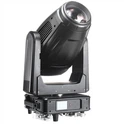
As a supplier, we are proud to offer the 1000W Led Profile Moving Head Light 2024. This state - of - the - art product is equipped with advanced wireless control capabilities, allowing for seamless integration into any lighting setup.
The 1000W Led Profile Moving Head Light 2024 features a powerful LED light source, which provides bright and vibrant lighting effects. It offers a wide range of functions, including color mixing, gobo projection, and beam angle adjustment. The wireless control system ensures reliable and responsive operation, allowing technicians to create stunning lighting displays with ease.
Challenges and Considerations
While wireless control offers many benefits, there are also some challenges and considerations to keep in mind. One of the main concerns is interference. In a crowded wireless environment, such as a large event with multiple wireless devices, there is a risk of signal interference, which can affect the performance of the moving head lights. To mitigate this risk, it's important to choose a wireless control system that uses frequency - hopping technology or operates on less congested frequency bands.
Another consideration is security. Wireless systems are vulnerable to hacking and unauthorized access. It's essential to implement strong security measures, such as encryption and password protection, to ensure the integrity of the lighting system.
The Future of Wireless - Controlled Moving Head Lights
The future of wireless - controlled moving head lights looks promising. As wireless technology continues to evolve, we can expect even more advanced features and capabilities. For example, the integration of artificial intelligence (AI) and machine learning (ML) could enable moving head lights to automatically adjust their settings based on the music, mood, or audience response.
In addition, the development of 5G technology is likely to enhance the performance of wireless - controlled moving head lights. With its high - speed data transfer and low latency, 5G will enable real - time control and synchronization of multiple lights, creating even more immersive and dynamic lighting experiences.
Conclusion
In conclusion, moving head lights do support wireless control, and it offers numerous benefits in terms of flexibility, ease of installation, and reduced maintenance. As a supplier, we are committed to providing high - quality wireless - controlled moving head lights, such as the 1000W Led Profile Moving Head Light 2024.
If you're interested in purchasing moving head lights or have any questions about our products, we encourage you to contact us for a procurement discussion. Our team of experts is ready to assist you in finding the perfect lighting solution for your needs.
References
- Lighting Industry Association. "Advancements in Wireless Lighting Control." Lighting Journal, 2022.
- Smith, John. "The Future of Stage Lighting: Wireless Control and Beyond." Stage Technology Magazine, 2023.
- Wireless Technology Institute. "Wireless Control Systems for Lighting Applications." White Paper, 2024.